Programs and Assessments
To monitor the rocky intertidal, researchers and managers have to survey the community hands-on through on-the-ground field work. On the West Coast, much of this monitoring is performed by large research groups composed of individuals from academia, state agencies, federal agencies, Tribal governments, and non-profit organizations. Outside of these large research groups, there are also smaller teams across the West Coast performing vital long-term monitoring at smaller scales. This page attempts to provide a comprehensive list of all groups conducting long-term monitoring research of the rocky intertidal, including groups that were not directly involved in the development of the rocky intertidal indicator.
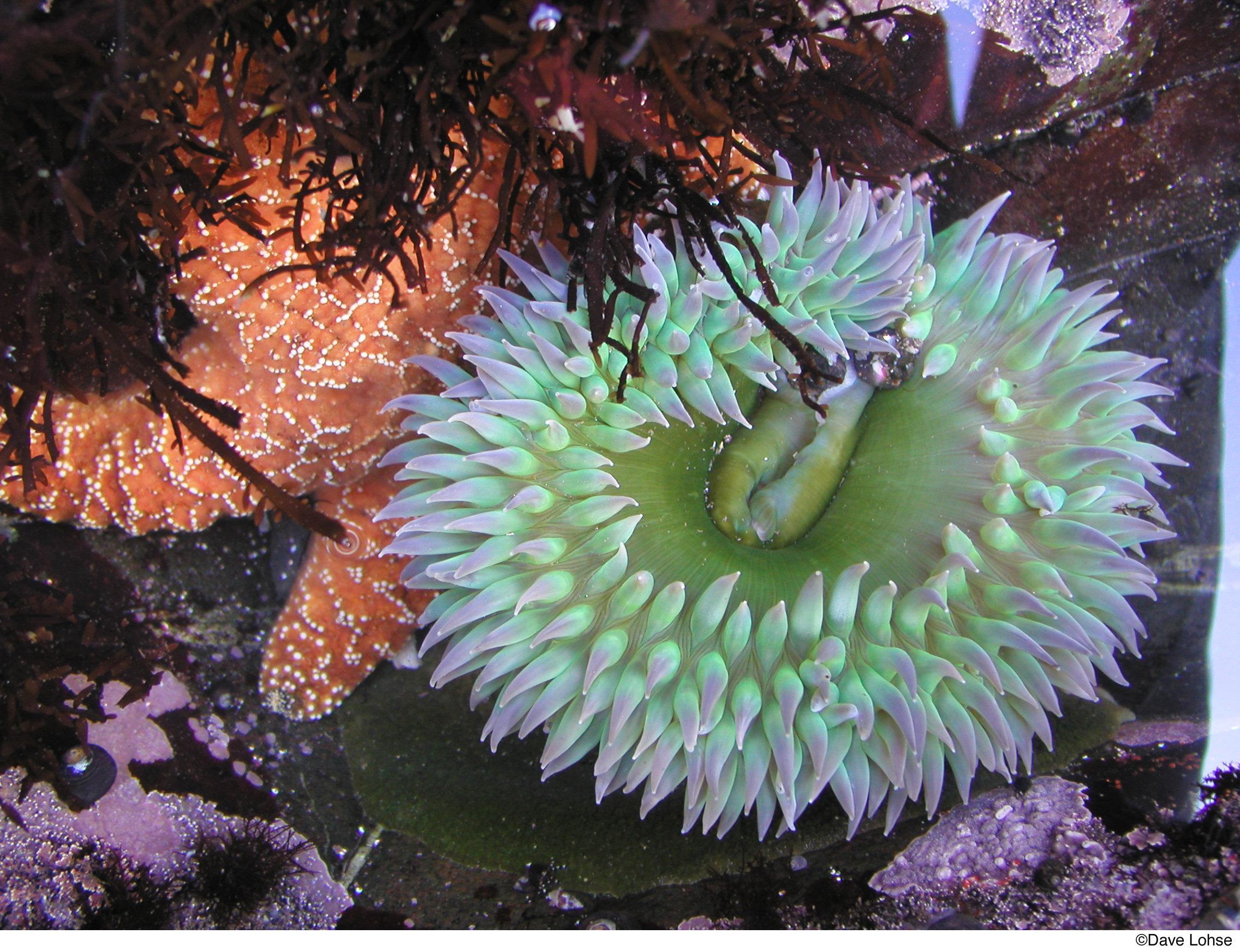
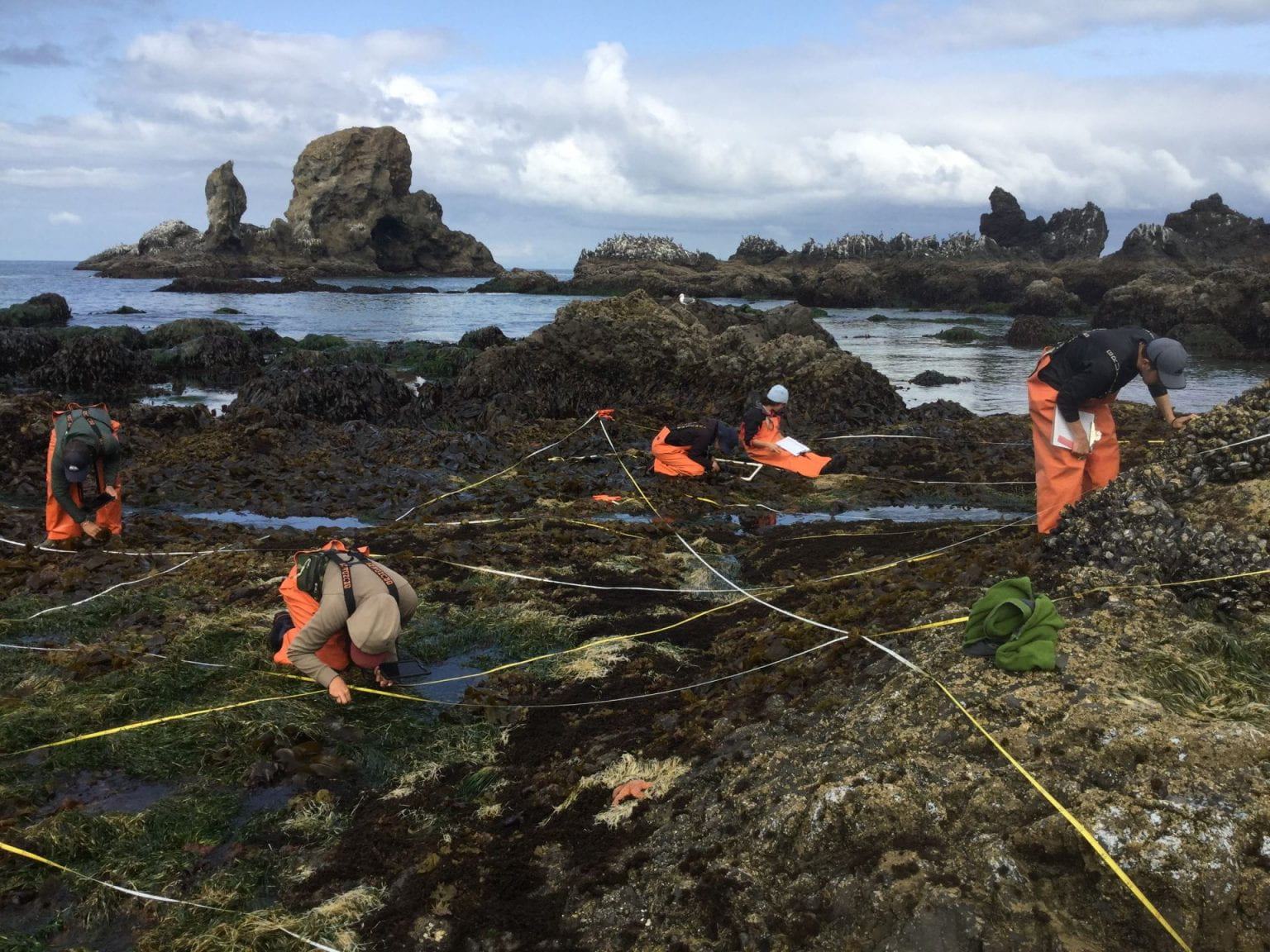
The Multi-Agency Rocky Intertidal Network (MARINe) is a research group based out of University of California, Santa Cruz that monitors hundreds of sites across 2,000 miles of the West Coast. MARINe partners with multiple organizations to perform monitoring across the West Coast, including the United States Navy, the National Park Service, Oregon State Parks, the Hakai Institute, Quinault Indian Nation, and many others. MARINe monitors rocky intertidal sites from Baja California to Alaska, with their most regularly monitored sites clustered in California. For more information about MARINe, including site details, methodology, and the history of MARINe, visit their website.
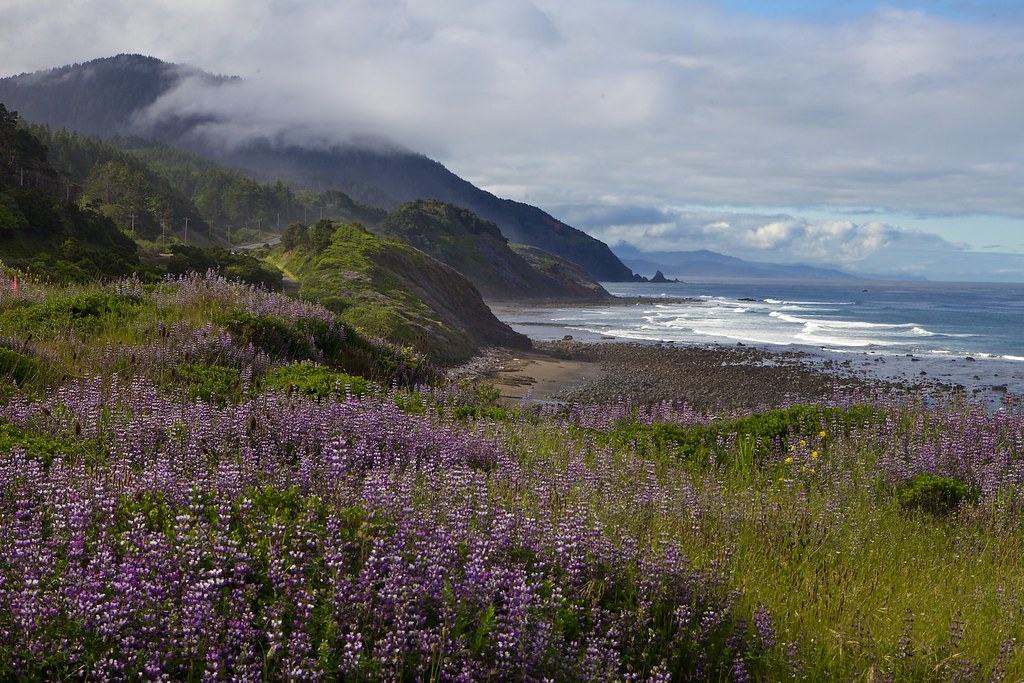
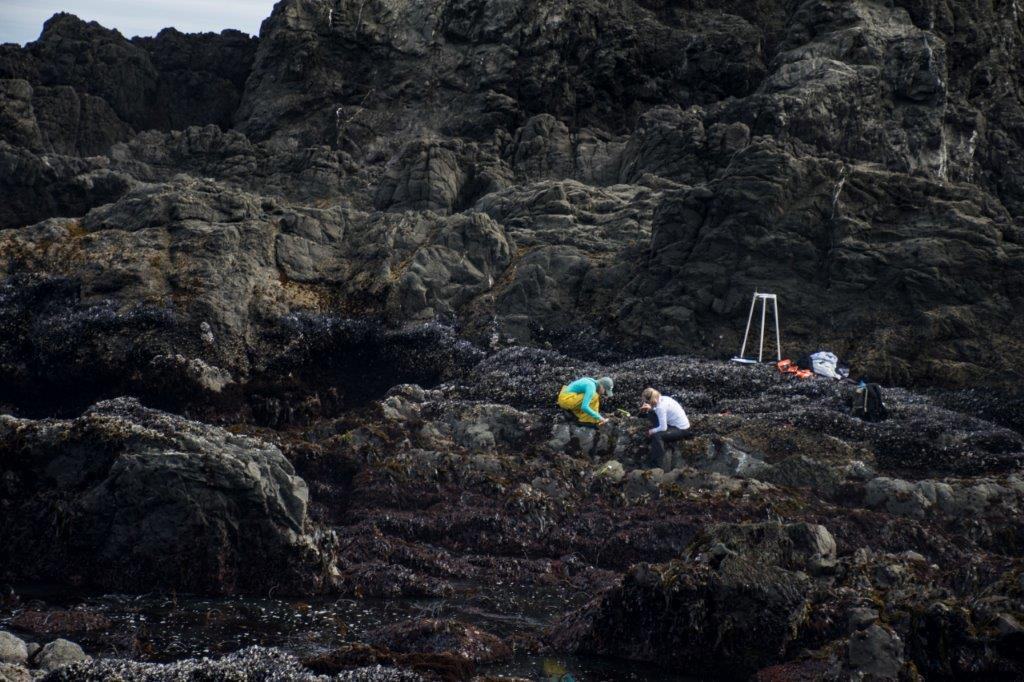
The Partnership for Interdisciplinary Study of Coastal Oceans (PISCO) is a research group based at Oregon State University focused on studying nearshore communities in California and Oregon. PISCO monitors multiple rocky intertidal sites from Depoe Bay, OR to Cape Mendocino, CA and multiple nearshore oceanographic lines along the West Coast. For more information about PISCO, visit their website.