Rocky Intertidal Indicator
Current Status
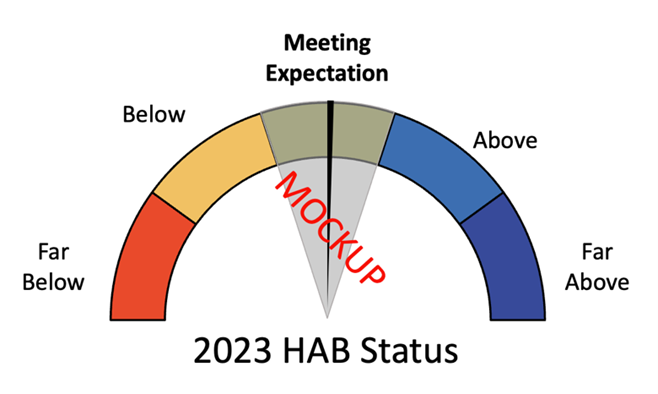
Species in the rocky intertidal are lower in abundance in 2023 compared to historical levels.
Historic Trends
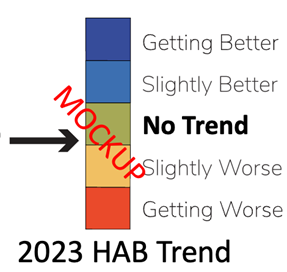
A marine heat wave and large-scale disease event from 2013-2015 severely impacted the rocky intertidal along the West Coast, with current populations steadily declining from year to year across the region.
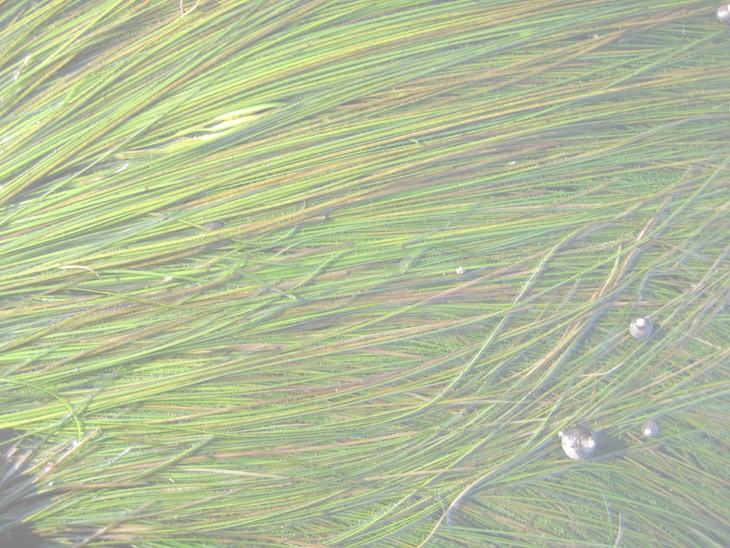
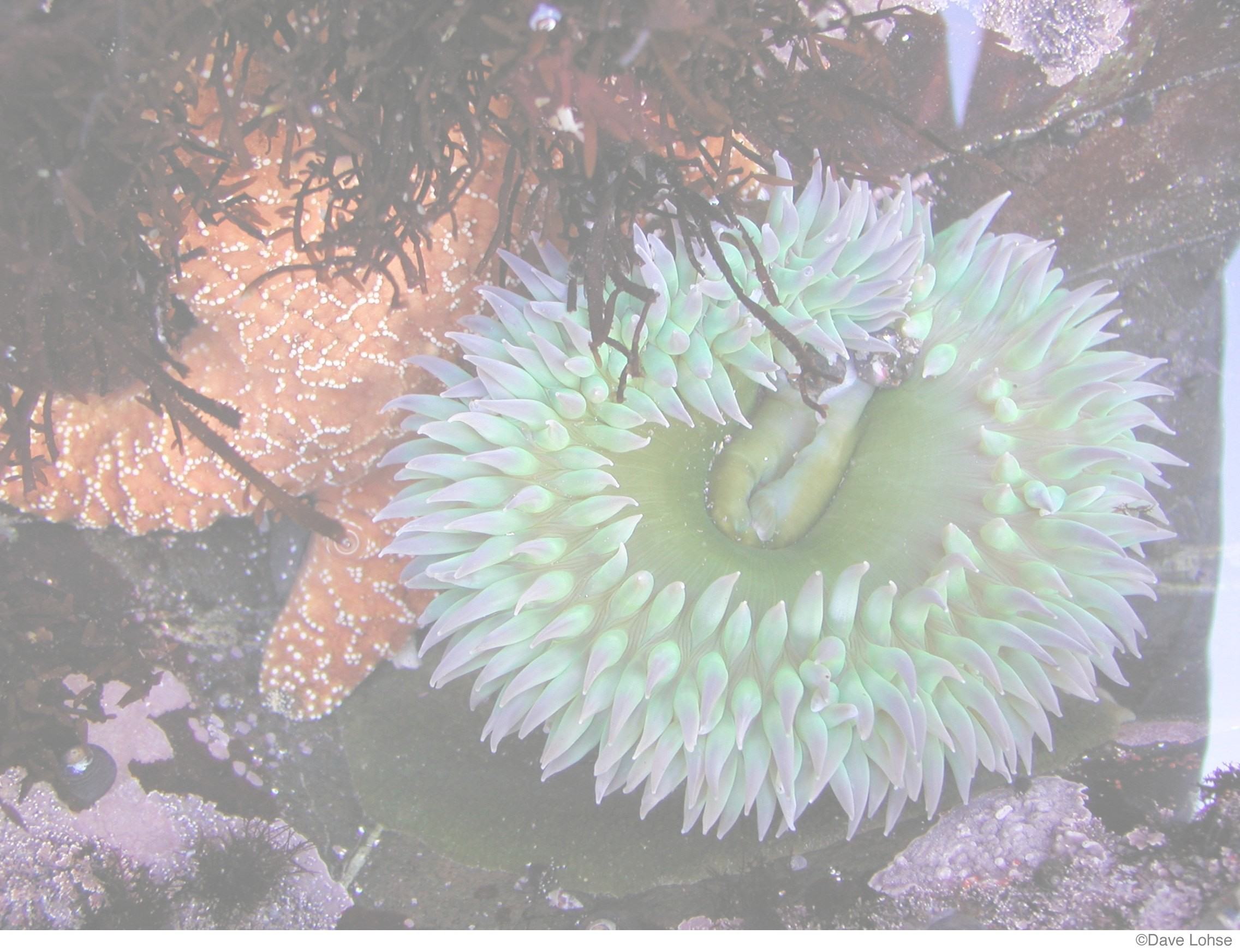
Sea stars experienced a significant decline after the outbreak of sea star wasting disease (SSWD) in 2013 and have still not recovered to their previous numbers. Rockweeds saw similar declines during this time and have also not recovered to their previous abundance, likely due to high ocean temperatures such as those seen during 2013-2016’s marine heat wave,. Mussels and seagrasses have remained relatively stable throughout the last 20 years.
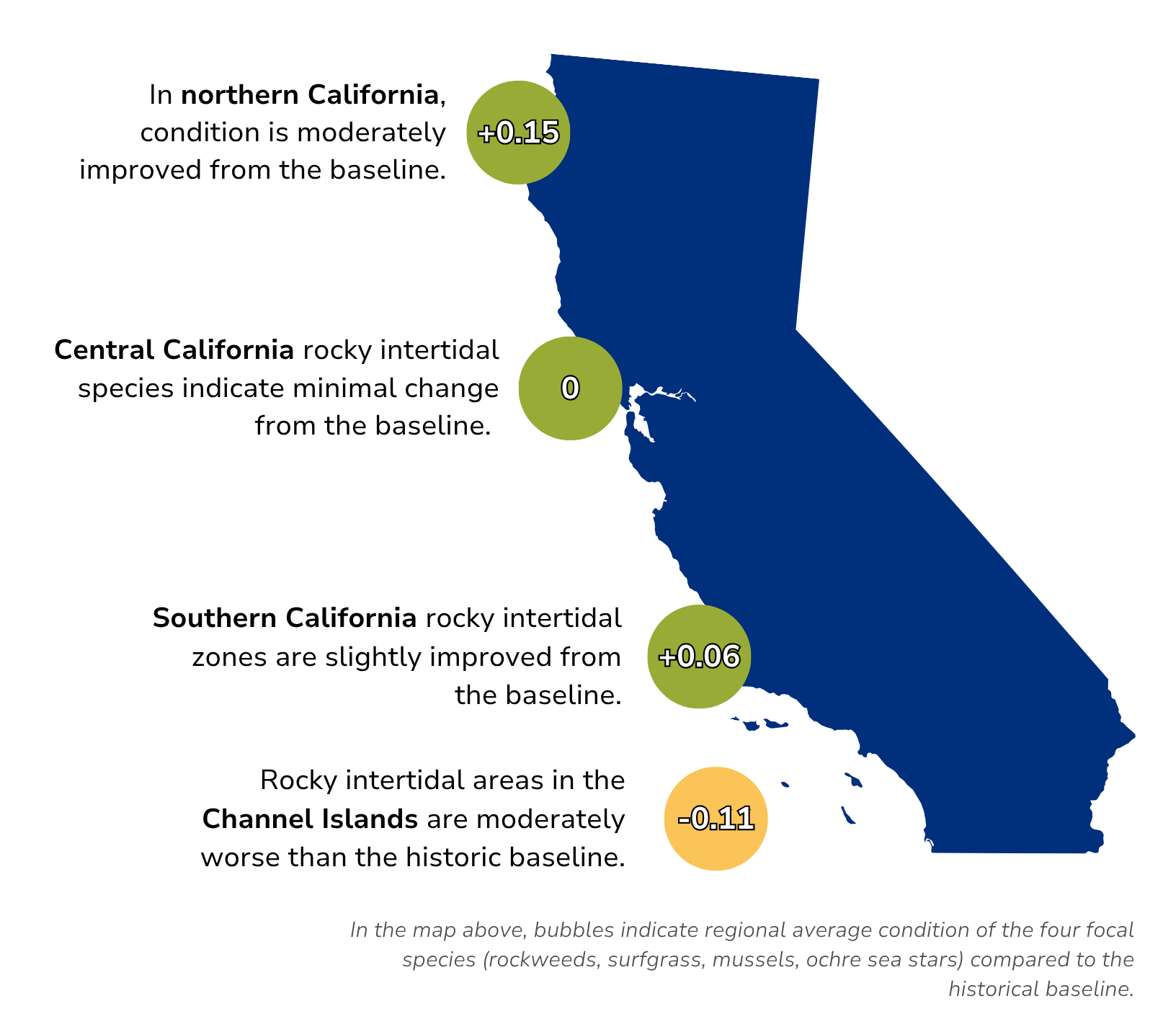
In Northern California, rocky intertidal communities have been relatively stable, with sea star populations rebounding after dying off in the mid-2010s. Central California, Southern California, and the Channel Islands have seen significant declines in species abundances, particularly in rockweeds and sea stars.
The most significant declines in rocky intertidal species occurred between 2013-2016, when a disease event and a marine heat wave caused mass mortalities. While populations have stabilized since then, highly impacted species have not increased back to their previous numbers despite nearly a decade of recovery time.